
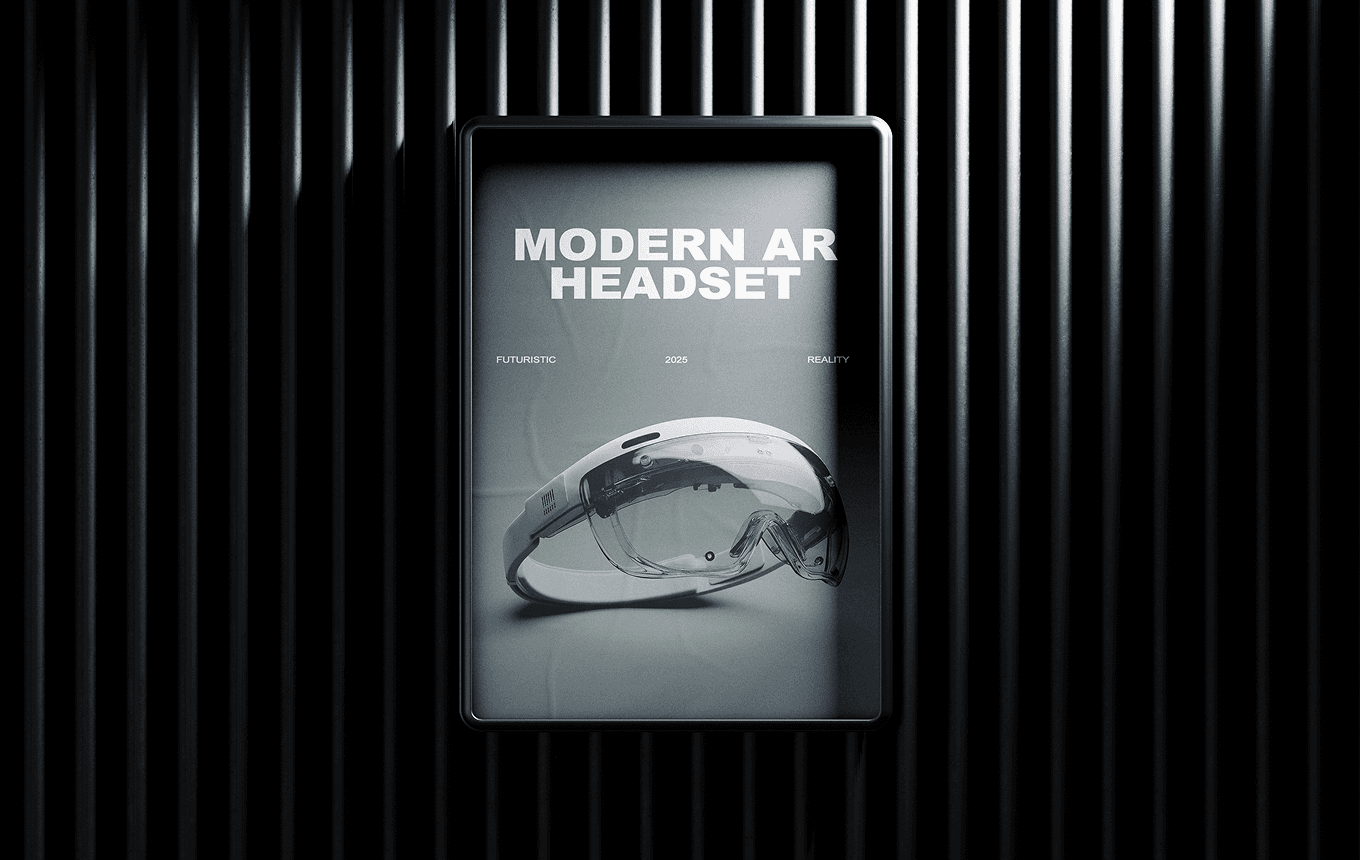
Project Overview
This project focused on redefining the virtual reality encounter to deliver a more immersive, emotionally engaging, and intuitive user experience. The objective was to craft a seamless blend of storytelling and interaction that would resonate deeply with users and push the boundaries of digital engagement. Collaborating closely with stakeholders, we identified key goals around immersion, accessibility, and performance optimization. From early concept sketches to high-fidelity prototypes, every phase was guided by a commitment to user-centric design and narrative cohesion. Our role was to bridge the gap between technology and emotion by designing a VR experience that was not only visually compelling but also intuitive and impactful. We initiated the process with in-depth discovery sessions and user flow mapping to define key interactions, understand user motivations, and ensure alignment with strategic objectives. This foundation shaped a compelling and cohesive experience from start to finish.
In an evolving landscape of immersive technology, the brand came to us with a clear vision — to reimagine their virtual reality encounter in a way that not only reflected their core identity but also laid the groundwork for future innovation. Their existing VR experience felt disjointed, lacked narrative cohesion, and struggled to fully engage users on an emotional or interactive level. The challenge was to transform this fragmented environment into a seamless, intuitive journey that could captivate audiences and scale with advancing technology.
Visual Identity & Component Architecture
Rather than automating individual steps, we designed the system as an end-to-end orchestration layer—managing the entire appointment lifecycle as a unified process.
Honor Mentions
We treated booking as a sequence of conditional conversations, not a linear form submission. Intake, validation, provider outreach, and confirmation were modeled as interdependent states so the system could adapt to missing information, provider responses, and changing availability.
Intelligent Patient Handling
When key details were incomplete—insurance, clinical context, or constraints—the system initiated follow-ups before progressing. This ensured provider offices received clean, actionable booking requests and reduced back-and-forth.
Provider Coordination at Scale
The platform operated within fragmented provider workflows, handling asynchronous responses and negotiating appointment options in real time. When preferred slots weren't available, it routed toward fallback scenarios—alternate providers or time windows aligned with the patient's needs.
Centralized Decision Layer
Every interaction fed back into a central decision layer, maintaining context across touchpoints and preventing redundant outreach. Confirmations, reschedules, and cancellations reached a clean resolution without manual intervention.
The result was a resilient booking system that mirrors concierge decision-making—while operating reliably at national scale.
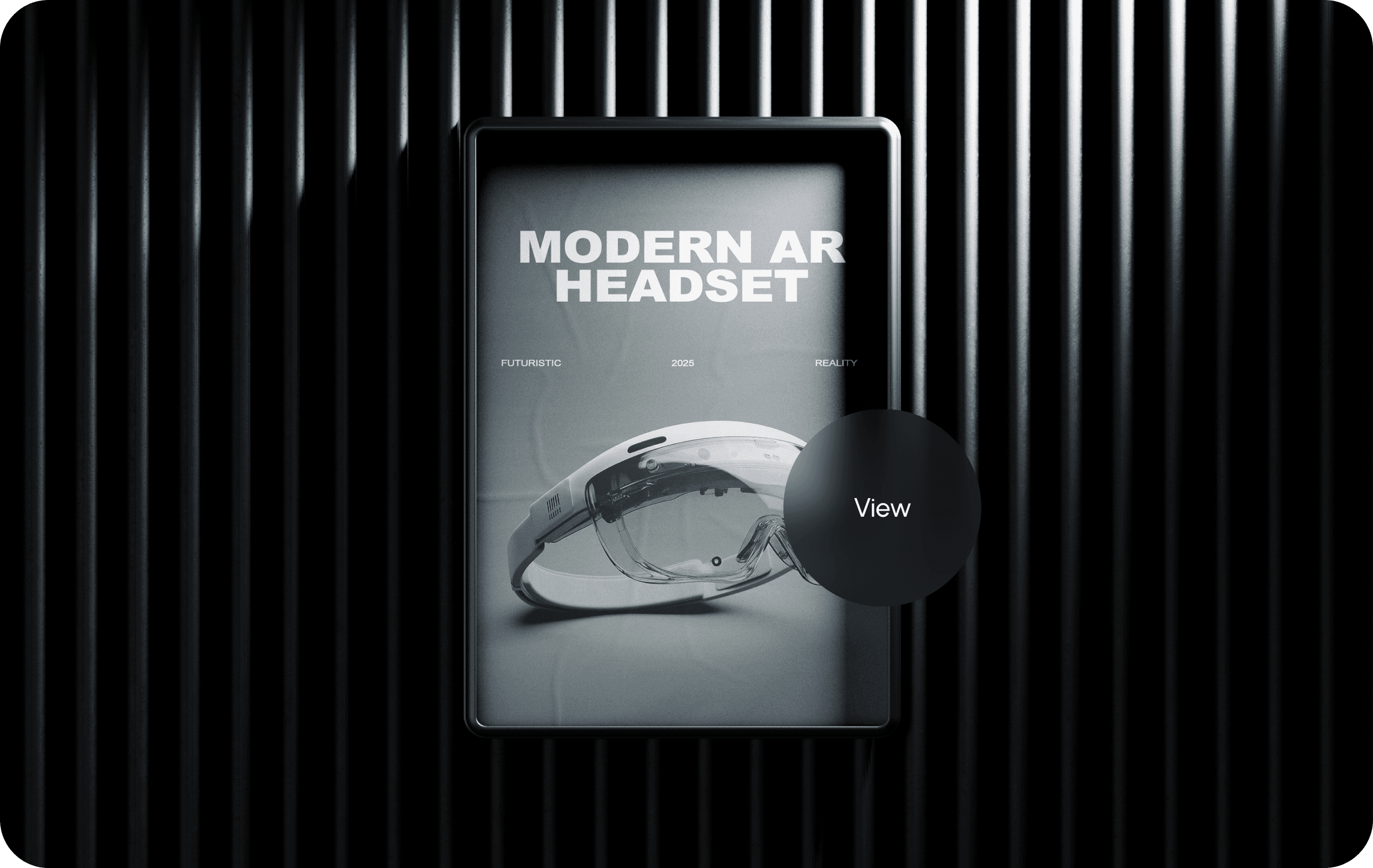
Real-Time Environmental Feedback
Ensuring real-time environmental feedback was a core focus throughout the development of the virtual reality experience. In immersive spaces, users expect their actions—whether through gaze, gesture, or motion—to instantly influence their surroundings. To meet this expectation, we engineered responsive interaction loops that delivered immediate visual, auditory, and haptic feedback. Dynamic environmental cues—like lighting changes, object animations, and spatial audio—were triggered based on real-time input to reinforce user presence and immersion. We conducted extensive testing across multiple VR platforms and hardware configurations to validate latency, synchronization accuracy, and the consistency of user feedback. Performance optimizations such as lightweight shaders, level-of-detail adjustments, and input prediction algorithms helped maintain fluid responsiveness.
All patient and provider interactions-intake validation, follow-ups, availability checks, confirmations, and fallback handling-flow through this decision layer. Each interaction updates shared context, allowing the system to make informed decisions without repeating outreach or losing state across touchpoints.
Automated callbacks and provider coordination operate asynchronously, enabling the platform to handle real-world delays and fragmented workflows without blocking progress. When preferred options are unavailable or edge cases arise, the system dynamically evaluates alternatives or routes the flow into a controlled exception path for human review.
The platform processes thousands of concurrent booking requests while maintaining consistency across 800K+ provider integrations. This ensures bookings resolve cleanly and consistently-whether confirmed, rescheduled, or rerouted-while keeping human intervention limited to true exceptions rather than routine operations.
Result & Impact
Higher Booking Completion
By resolving incomplete data upfront and intelligently routing around unavailable slots, the system materially reduced booking failures and patient drop-off across standard appointment flows.
Always-On Booking Experience
The platform operates continuously, enabling patients to submit requests, complete follow-ups, and confirm appointments outside traditional business hours-including evenings, weekends, and holidays.
Reduced Operational Cost
Automated intake, validation, callbacks, and provider coordination eliminated the majority of manual concierge touchpoints, significantly lowering operating costs without sacrificing service quality.
Operational Efficiency at Scale
With human involvement limited to true exceptions, the system processes thousands of concurrent bookings across 800K+ providers, with most requests resolving end-to-end without manual oversight.
The platform supports national-scale expansion through infrastructure scaling rather than proportional increases in operations staff—allowing growth without compounding cost.